Symbols and ideals in Portuguese painting (Oeiras-Cascais, Portugal)
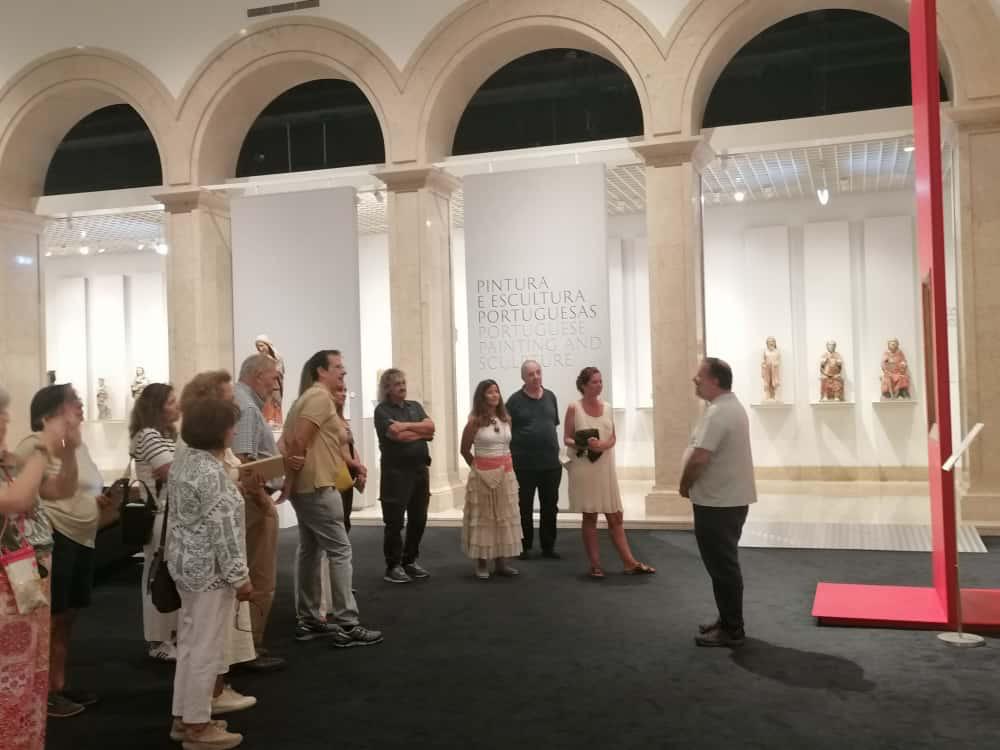
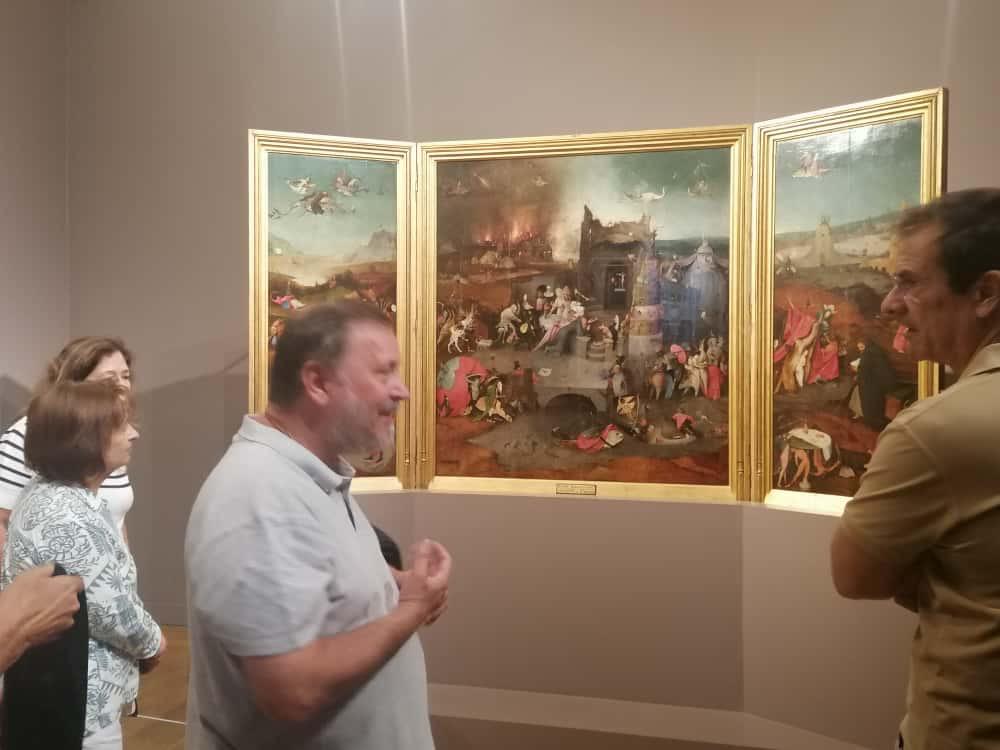
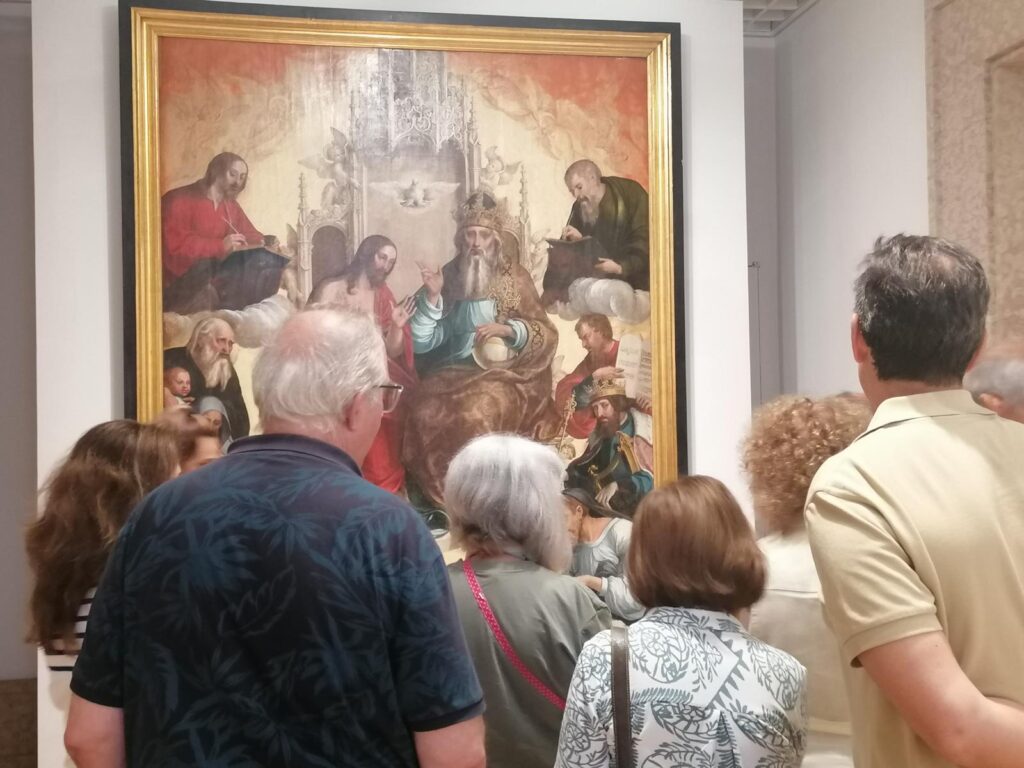
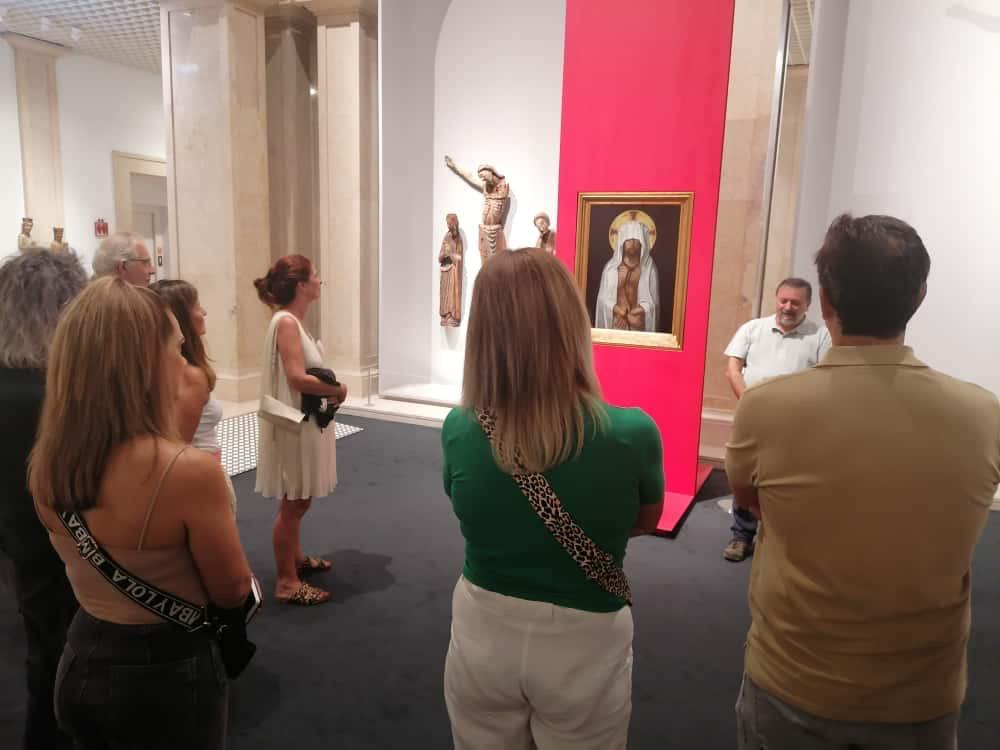
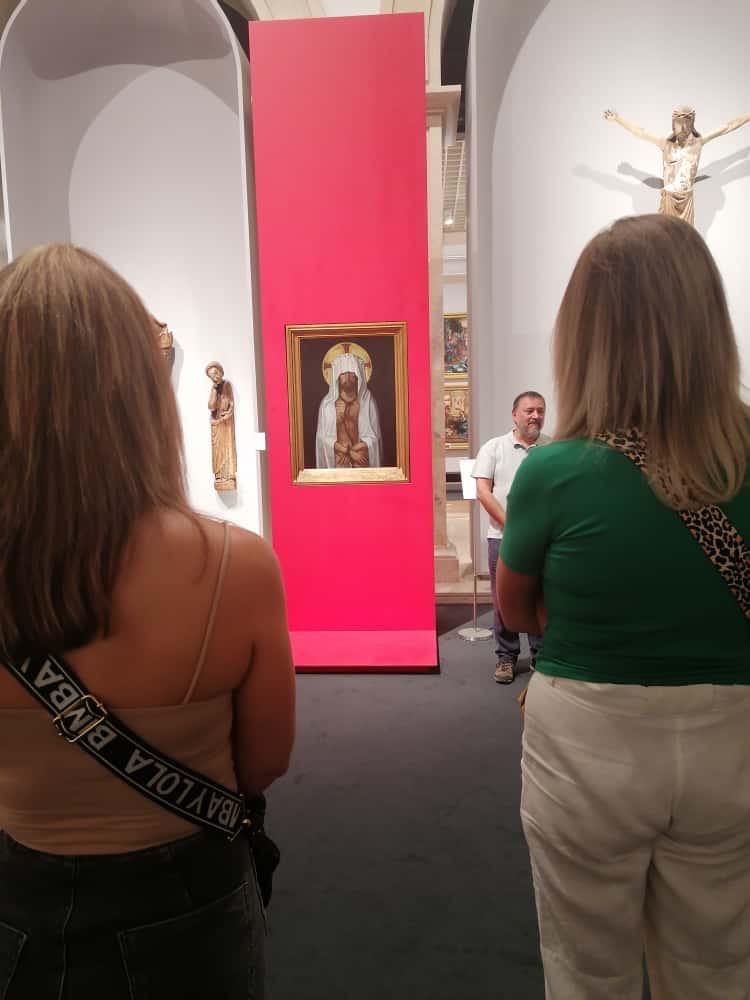
New Acropolis organised a guided tour of the Portuguese painting and sculpture section of the National Museum of Ancient Art in Lisbon.
The visit, led by Paulo Loução, writer, researcher at the Hermes International Institute and professor at New Acropolis Oeiras-Cascais, in collaboration with the Jaime Cortesão History Centre, was part of a series of activities dedicated to ‘Camões e os Fiéis do Amor’ (Camões and the Faithful of Love), marking the 500th anniversary of his birth, with a special focus on the art of his time.
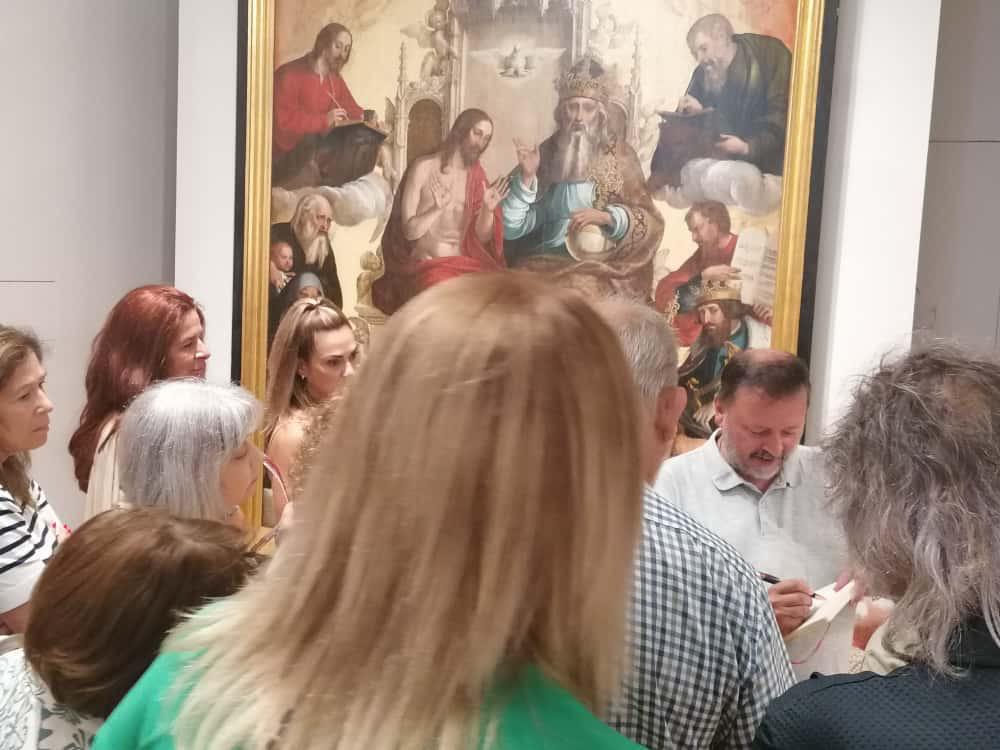
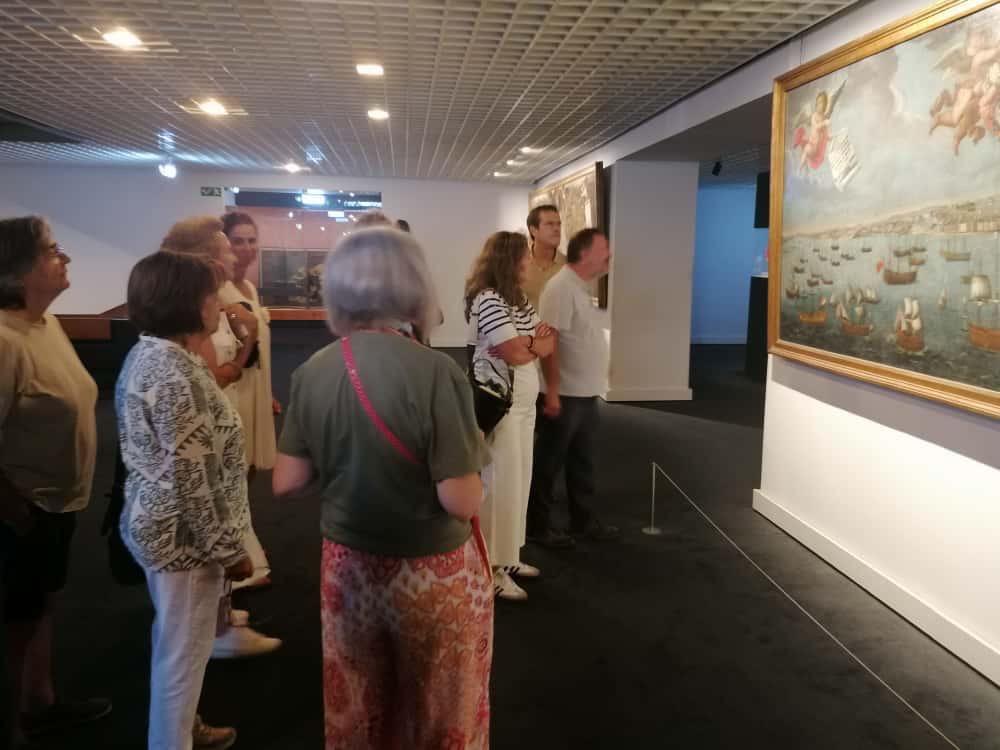
At the National Museum of Ancient Art, visitors were able to appreciate a collection of high-quality Portuguese paintings and sculptures, especially from the 15th and 16th centuries, many of them contemporary with Luís de Camões.
Some works, beyond their aesthetic value, are also open to symbolic interpretation in light of the ideological tensions of the time and a living tradition that permeated the workshops of Portugal.
These are aspects that have been overlooked in art history, but which are vital to understanding Portuguese identity and its relationship with the telluric-spiritual Europe, which also includes the legacy of Dante and the Order of the Golden Fleece, created in honour of Isabel, Duchess of Burgundy and daughter of King John I. Also on display were the ‘Adoration of the Magi’ and the ‘Coronation of the Virgin’, highly inspired masterpieces by Domingos Sequeira.