World Philosophy Day in Portugal
New Acropolis has celebrated WORLD PHILOSOPHY DAY around the world. Established by UNESCO in 2005, it is commemorated on the third Thursday of November, and New Acropolis Portugal celebrated it at all its locations:
New Acropolis Almada:
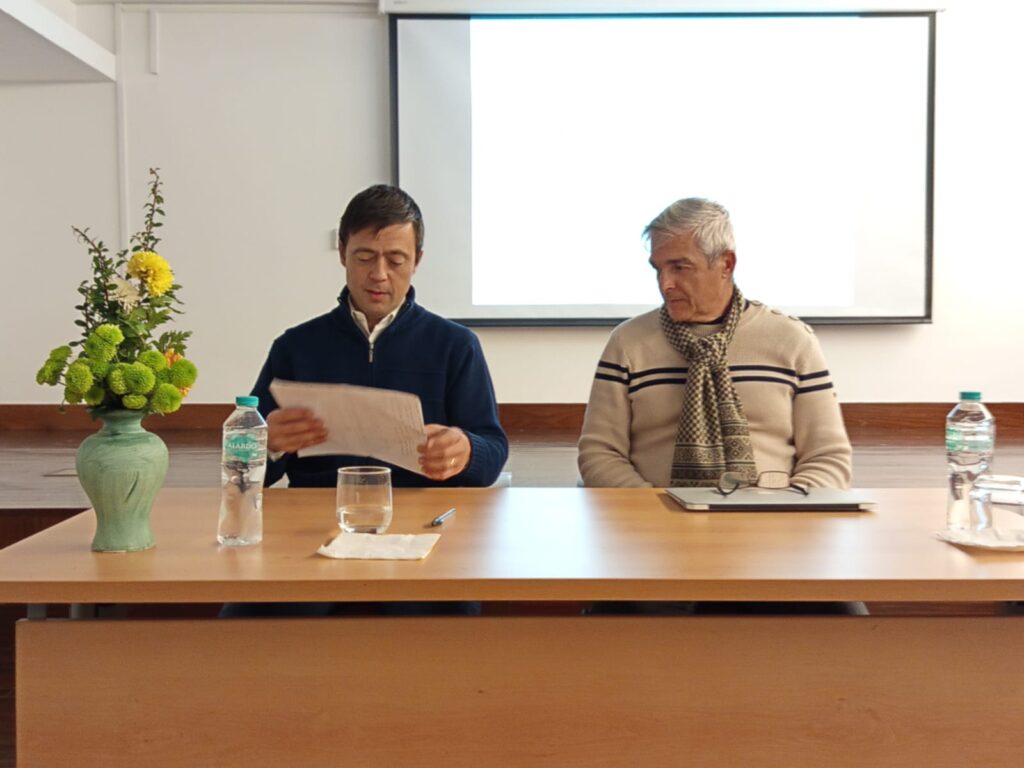
Organized an activity focused on the challenges and opportunities inherent in human coexistence. Two presentations were given: the first by Rafael Pereira, director of New Acropolis Almada, on how philosophy can contribute to improving human relationships; the second by Ana Paulino, a student at New Acropolis Almada, representing the Vale de Acór association, who offered an enriching presentation on the value of coexistence for the recovery of people with disabilities.
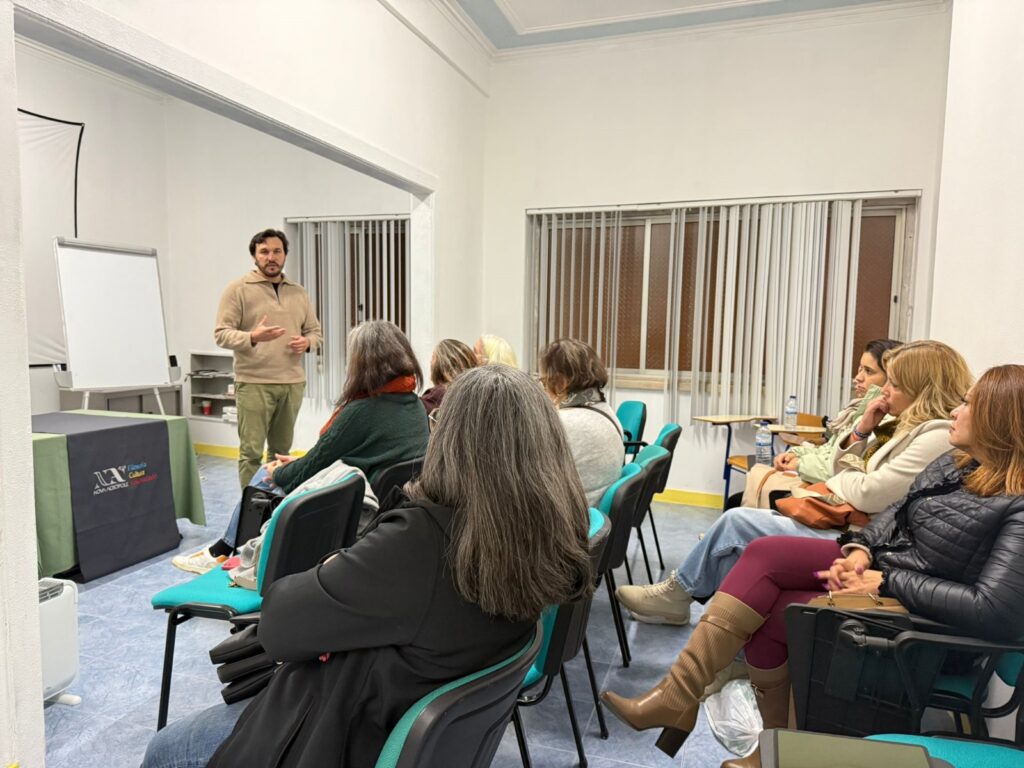
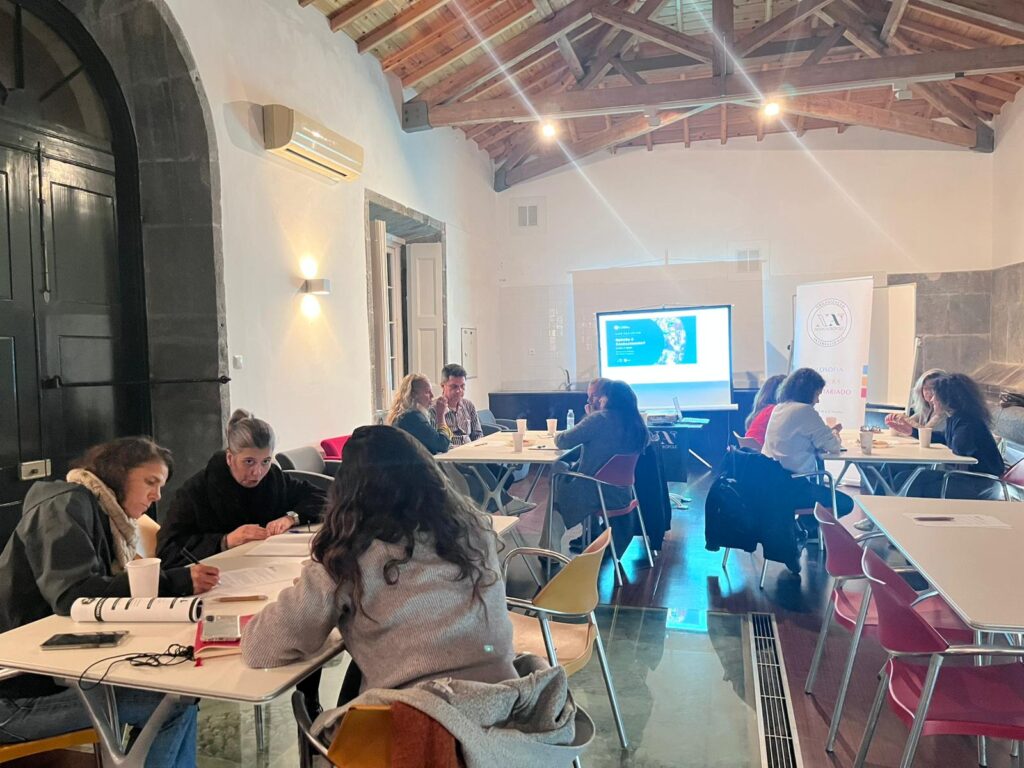
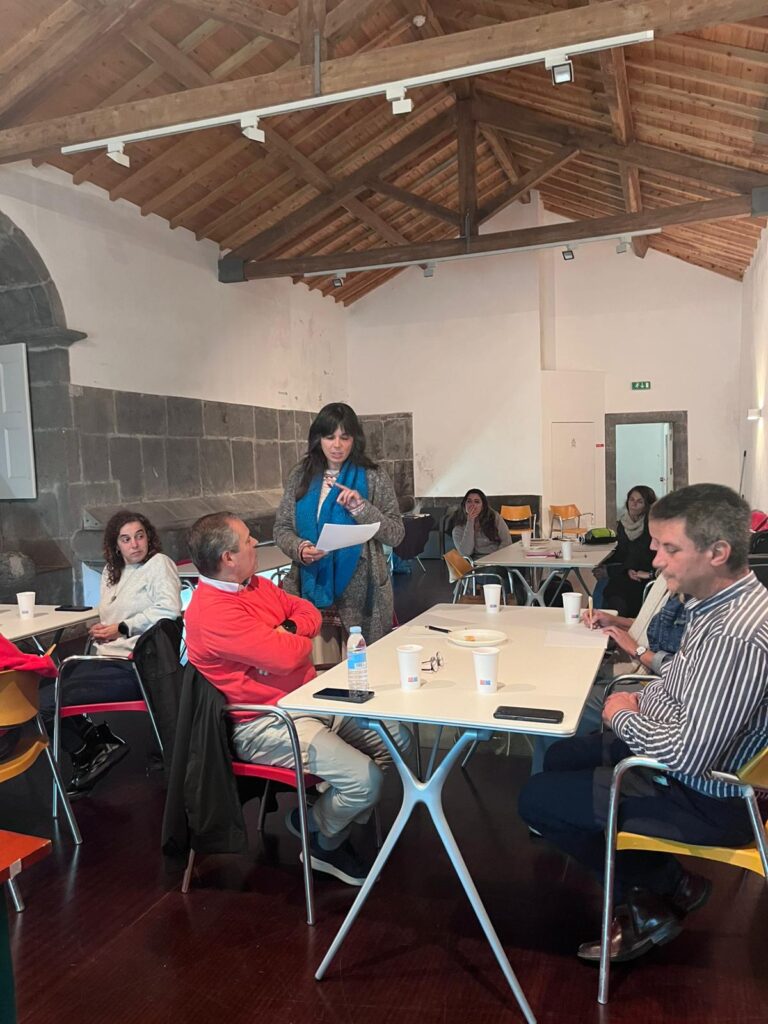
Nova Acrópole Açores:
A Philosophical Café entitled “Is Opinion Knowledge?” was held. This activity fostered an exchange of ideas in response to the following questions:
- We have opinions about ourselves, but… do we truly know ourselves?
- We have opinions about the world, but… do we understand the profound meaning that the universe holds?
- We have opinions about so many ephemeral and fleeting things, but… what do we know about the eternal that resides at the heart of reality?
Nova Acrópole Braga:
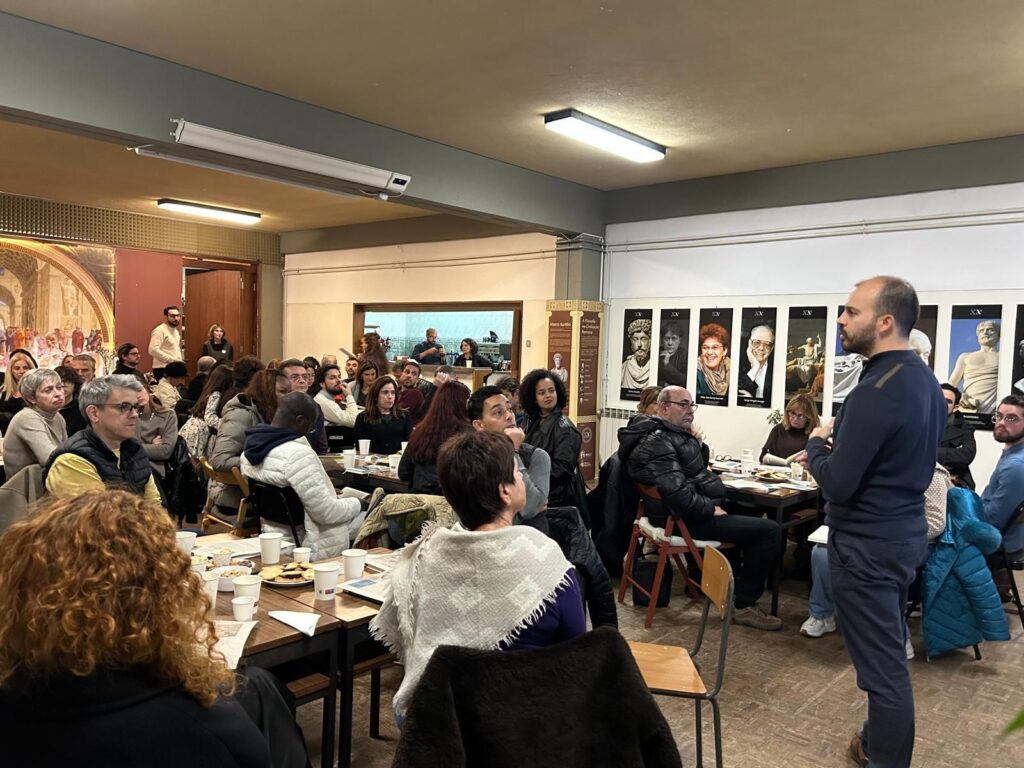
A special Philosophical Café was held where seven ancient visions of the soul converged for a conversation that transcended time and cultures. On a journey from the pyramids of Egypt to Norse myths, from Eastern wisdom to Siberian shamans, participants explored the following in groups:
- The Greek soul of Psyche and her trials of transformation
The Egyptian duality between the Ba and the Ka in the final judgment
The Hindu Atman and liberation from the cycle of rebirths
The Buddhist vision of non-being (Anatman)
The multiple soul of the Norse tradition
The Siberian shamanic connection to the spirit world
The Taoist balance between Hun and Po
In discussion circles, each group delved into one of these ancient myths, guided by a reflection kit and philosophical questions.
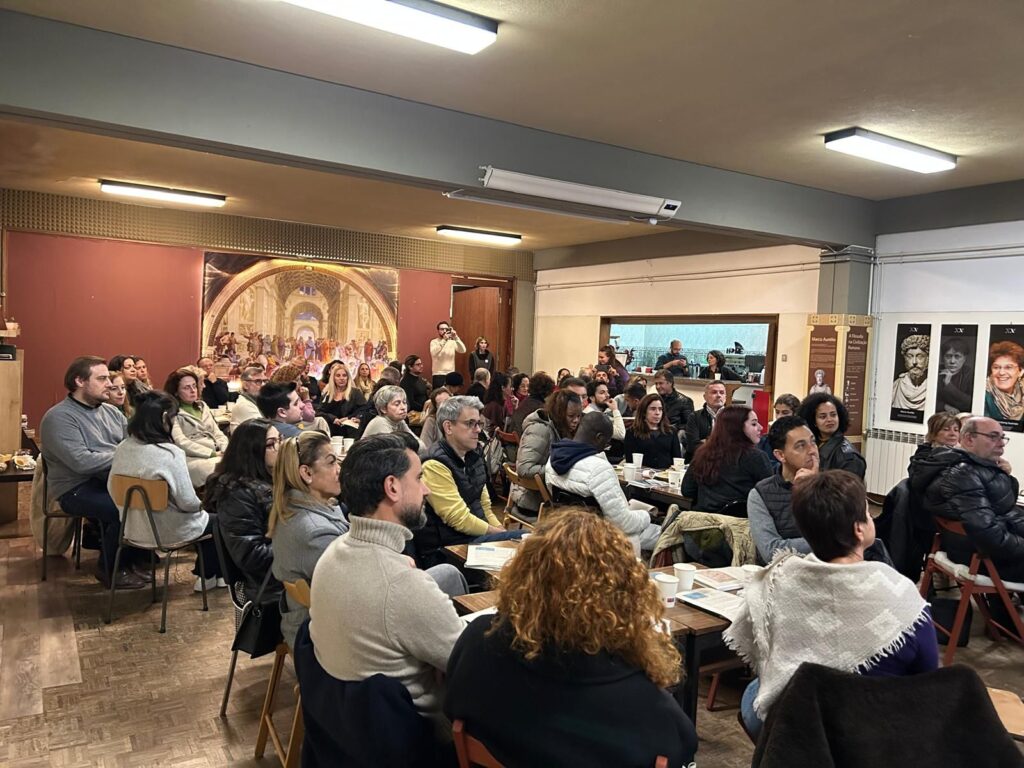
Nova Acrópole Coimbra:
The seminar “The Allegory of the Cave: Between Shadows and Light” was held. It was led by Françoise Terseur, a trainer at Nova Acrópole Coimbra and Nova Acrópole Vilanova de Poiares.
This seminar offered a theatrical and sensory immersion into the “Allegory of the Cave,” an experience that reveals how this allegory remains profoundly relevant in our contemporary world, constituting a truly timeless synthesis of the construction of an ideal society guided by wise men.
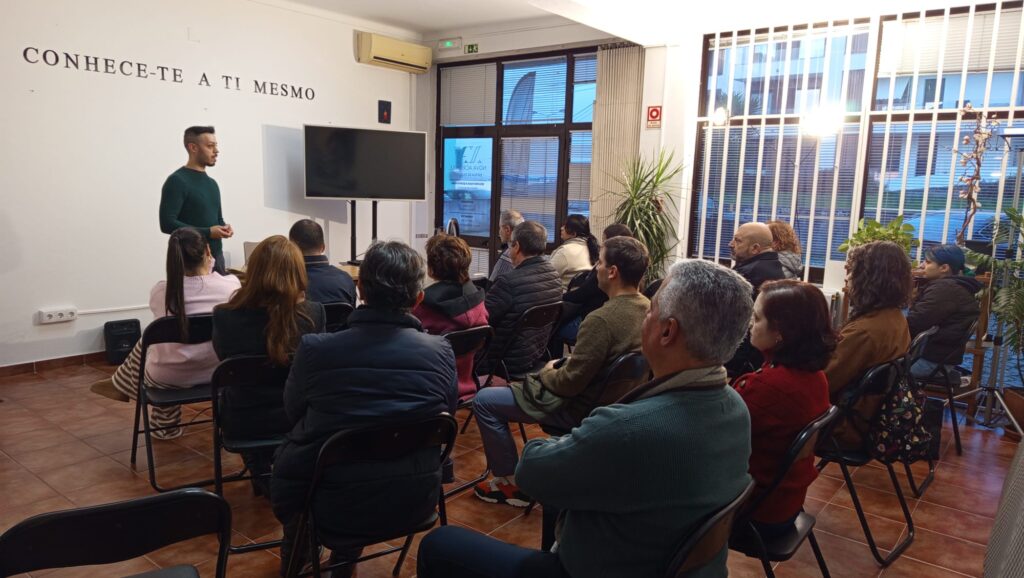
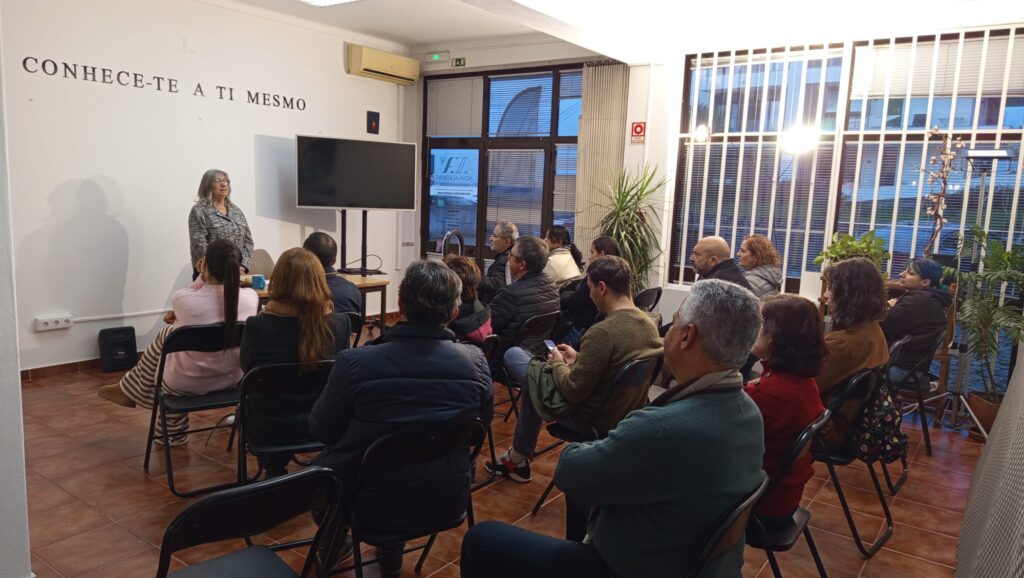
Nova Acrópole Famalicão, Nova Acrópole Guimarães, and Nova Acrópole Vizela:
They held a Philosophical Symposium: “When the Part Seeks Unity.” Dedicated to one of Plato’s most beautiful works, “The Symposium,” this dialogue focuses on Eros, exploring the theme of Love and leading us to the inner journey of the human being and their constant search for a soulmate, the part that complements us and allows us to live in fullness, in unity.
In this discussion, Plato’s philosophy of Love was also compared with the visions of Sri Ram and Khalil Gibran, thus achieving a harmonious set of universal values.
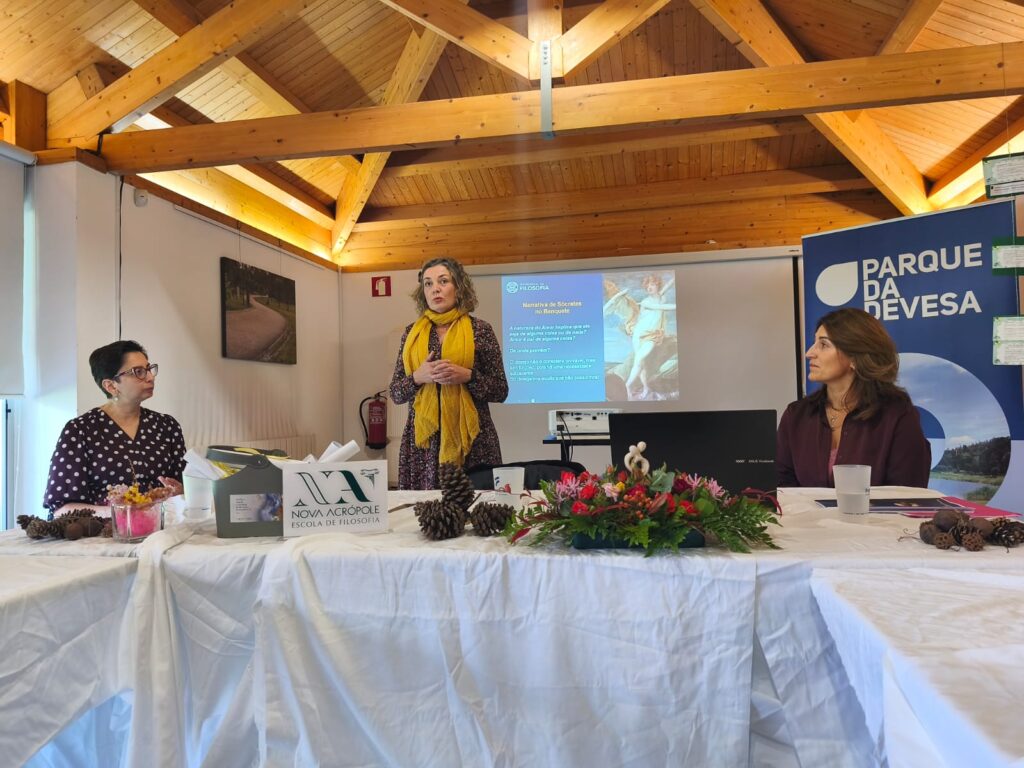
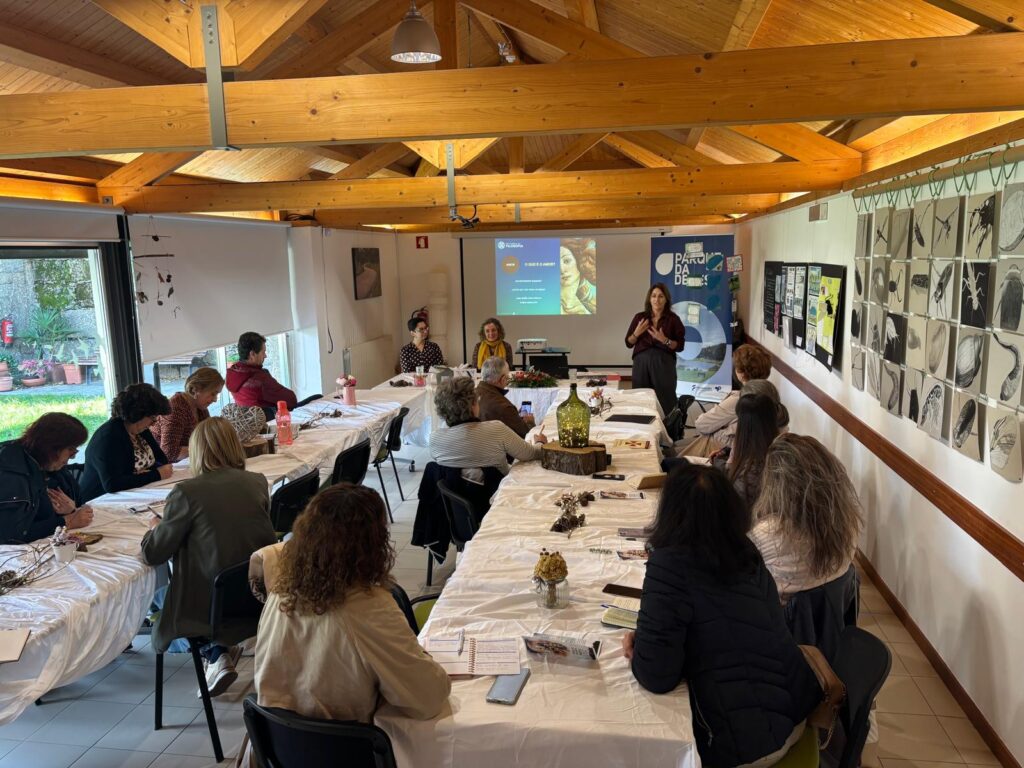
Nova Acrópole Faro
A lecture entitled “The Wisdom of the Heart, from Egypt to Delia Steinberg Guzmán” was given by Paulo Loução, a researcher at the IIH and director of Nova Acrópole Oeiras-Cascais.
The speaker traced a comparative path from Egypt to the great philosopher Delia Steinberg Guzmán and showed that true wisdom always comes from the heart and is based on elements independent of time and space.
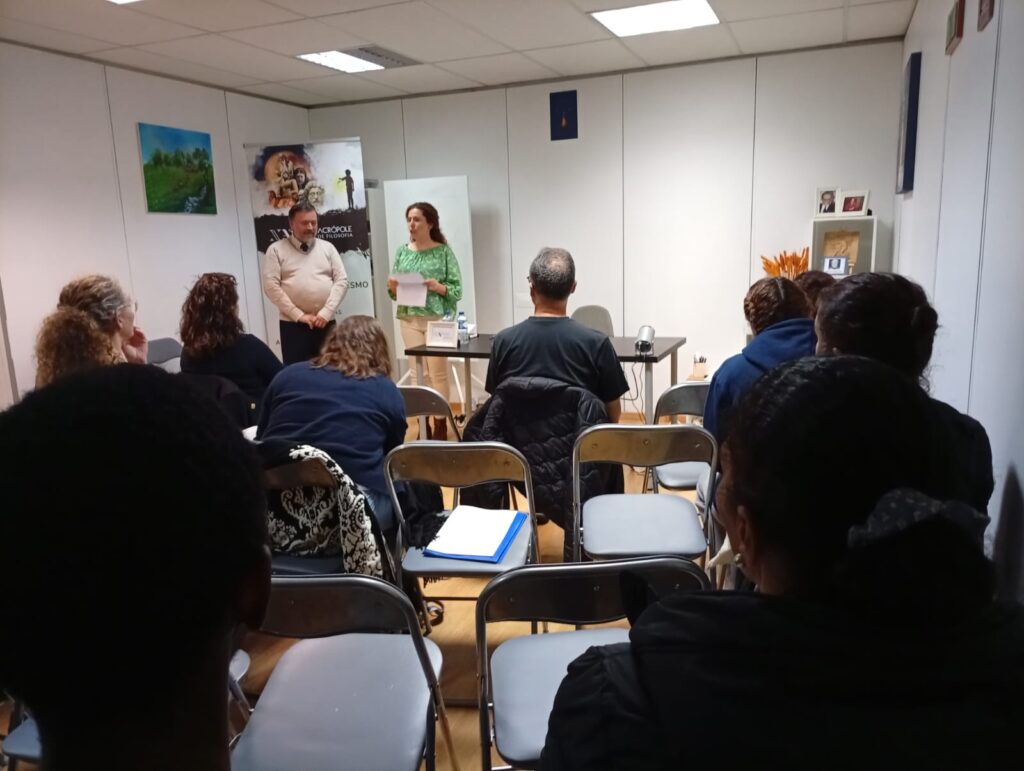
Nova Acrópole Lisboa:
José Carlos Fernández, writer and director of Nova Acrópole Portugal, gave a lecture entitled: “Human Inner Freedom and the Comparative Study of Religions, Sciences, Arts, and Philosophies.”
The central idea of this lecture was that the comparative study of religions, sciences, arts, and philosophies allows us to exercise and develop our inner freedom, the only realm where the best in ourselves—the noblest, most just, honest, and good—can flourish.
Religions, sciences, arts, and philosophies, with their different perspectives on the world, humanity, and nature, only serve to lend objectivity to human understanding when compared. Therefore, they should never be seen as opposing forces, but rather as complementary.
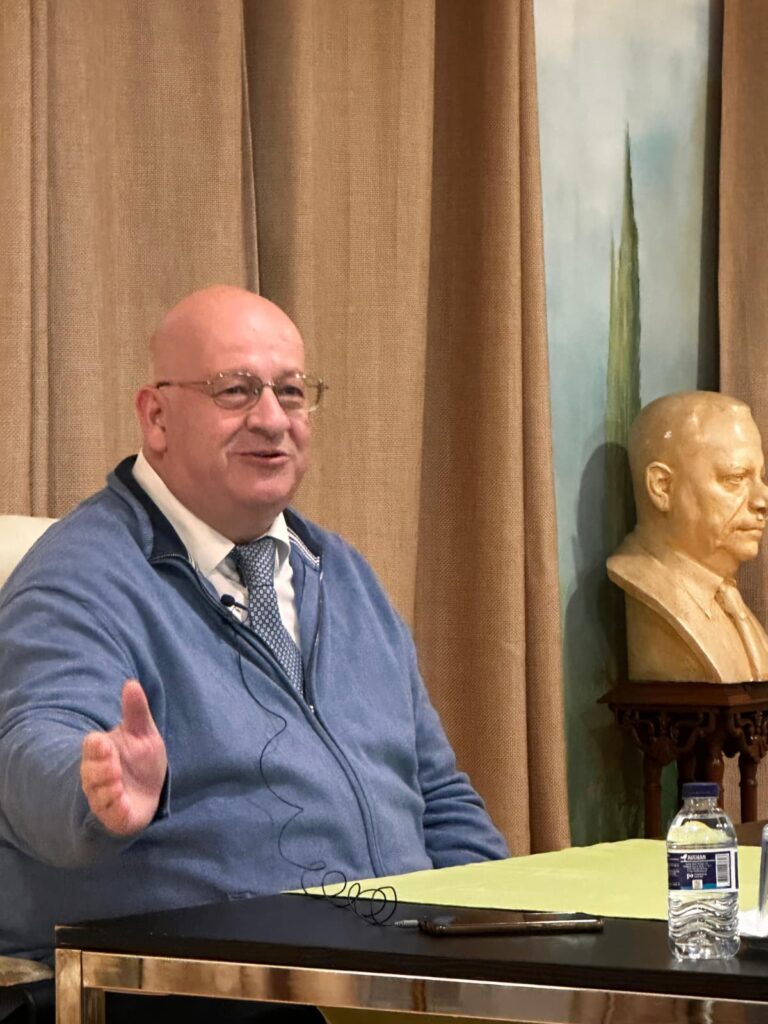
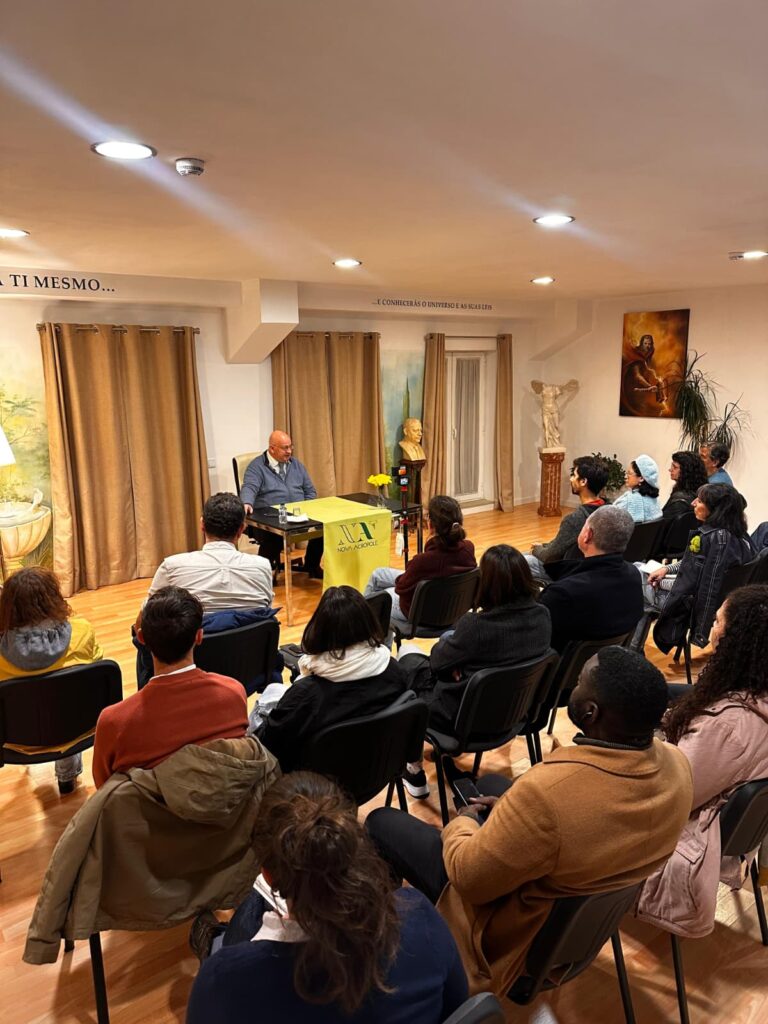
Nova Acrópole Oeiras-Cascais:
The “Week of Philosophy or the Wisdom of the Heart” was dedicated to commemorating World Philosophy Day.
Conference: “Dante and the Faithful of Love.” By Antony Capitão, trainer and assistant director of Nova Acrópole Oeiras-Cascais. The talk focused on how the sublimation of Love fosters the illumination of consciousness.
Conference: “From Tibet to Delia Steinberg Guzmán.” By Daniela Santos, biologist and trainer at Nova Acrópole Oeiras-Cascais. The speaker traced a comparative path from Tibet to the great philosopher Delia Steinberg Guzmán, demonstrating that true Wisdom always comes from the heart.
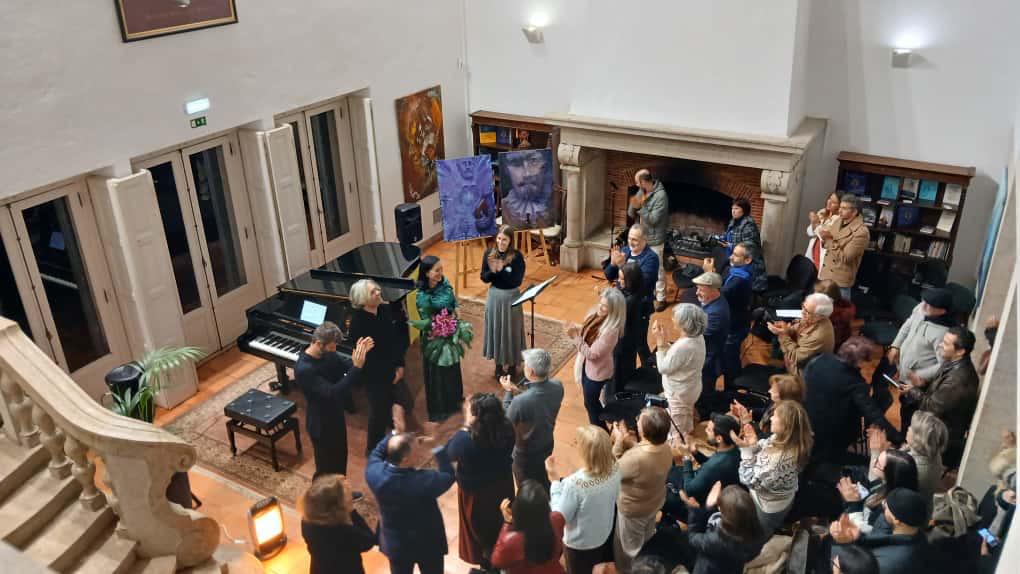
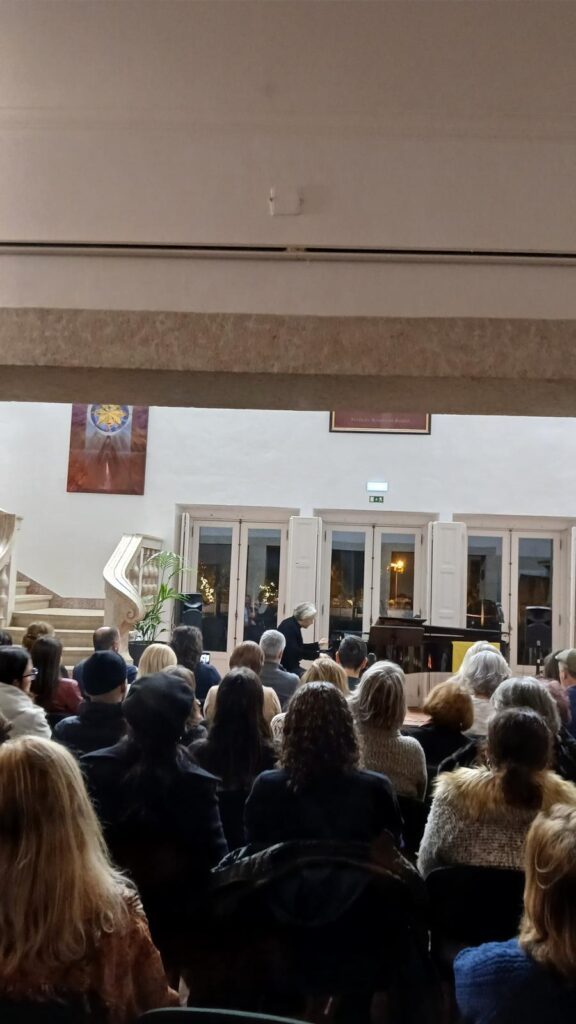
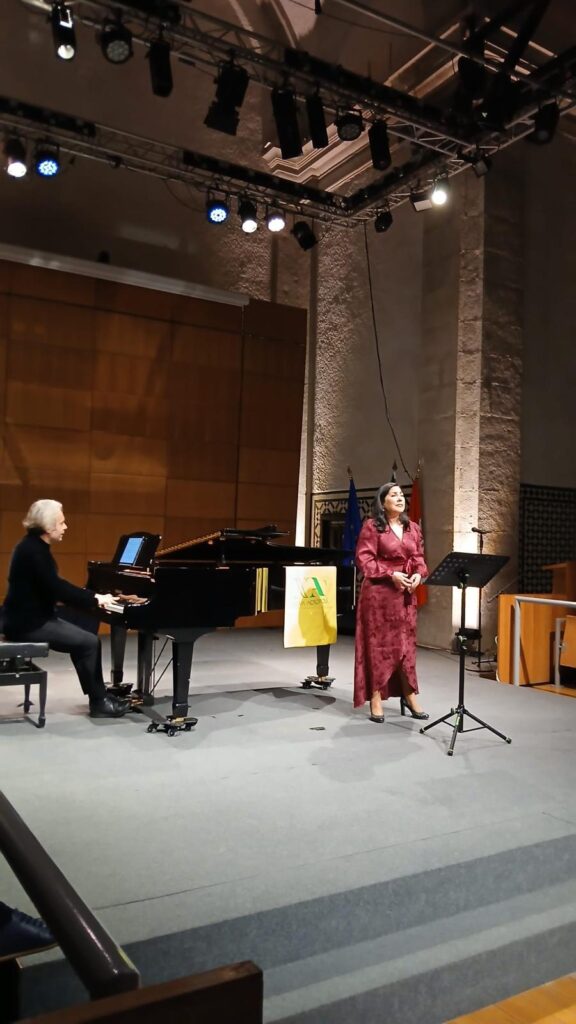
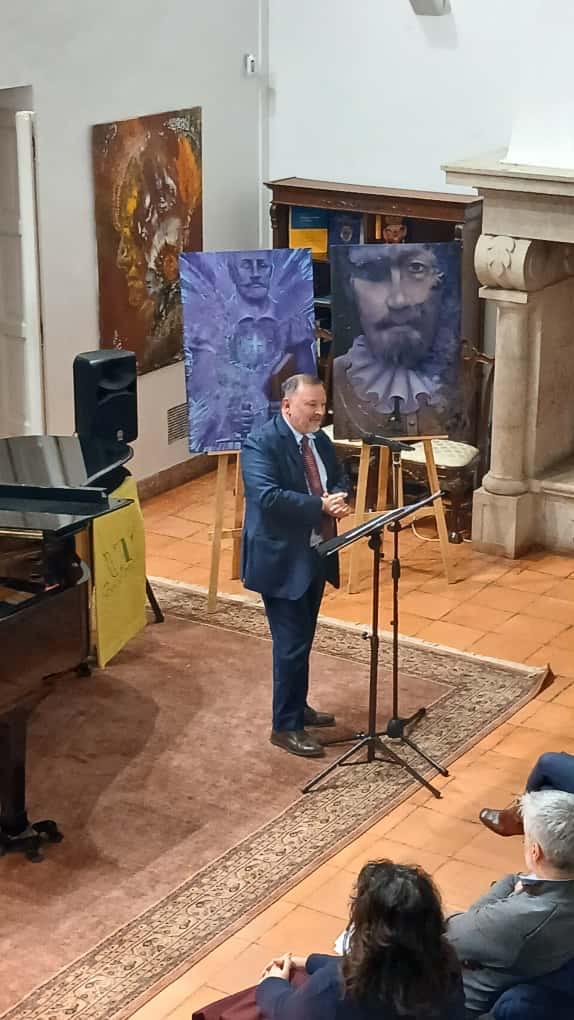
Piano and opera recital (first part) followed by a conference entitled “From Strauss to Ibn Arabi.” The piano recital was performed by pianist Jorge Fontes, and the vocals by soprano Carla Caramujo. The lecture was given by José Carlos Fernández, writer and national director of Nova Acrópole Portugal.
The program for the piano and vocal recital was:
– Franz Liszt: Liebestraum (piano version)
– Richard Wagner: Liebestod, Mild und leise – Tristão e Isolda (piano version)
– Richard Strauss: Vier letzte Lieder (soprano and piano version)
Frühling (Herrmann Hesse)
September (Herrmann Hesse)
Beim Schlafengehen (Herrmann Hesse)
Im Abendrot (Joseph von Eichendorff)
The lecture was titled: “Seven Lessons of Wisdom from Ibn Arabi.” The speaker selected seven teachings from several of his most important works, on the mysteries of love, spiritual chivalry, metaphysics, the path of the disciple of wisdom, governance and the mysteries of power, the names of God, and the depth of his humanism.
Second piano and vocal recital followed by a lecture entitled “Always Love: From Camões to Strauss.” The piano recital was performed by pianist Jorge Fontes, and the vocals by soprano Carla Caramujo. The lecture was given by Paulo Loução, researcher at the IIH and director of Nova Acrópole Oeiras-Cascais.
Program of the piano and vocal recital:
- From Camões’s “Parnassus” to António Fragoso. Carla Caramujo (soprano) and Jorge Fontes (pianist)
Franz Liszt: Liebestraum (piano version). Luís de Freitas Branco
The Beauty of this Fresh Mountain Range (Luís de Camões). Berta Alves de Sousa
Seven Years as a Shepherd Jacob Servia (Luís de Camões). Joly Braga Santos
In a Forest of Nymphs There Was Dwelling (Luís de Camões). Fernando Lopes-Graça
My Gentle Soul That Departed (Luís de Camões). Alexandre Delgado
With What Voice Will I Weep My Sad Fado (Luís de Camões). António Fragoso
Song of the Spinner (António Correia de Oliveira)
A Christmas in Heaven (António Correia de Oliveira)
The conference was titled: “Camões, Messenger of Love and Mystery.” This event delved into the hidden meaning of Love that underpins Camões’s work, expanding the concept of Love as a force of nature related to the deepest and most hidden aspects of being.
Third Piano and Vocal Recital followed by a lecture. The piano recital was performed by pianist Jorge Fontes, and the vocals by soprano Carla Caramujo.
The lecture, given by Severina Gonçalves, a researcher at the IIH and instructor at Nova Acrópole Oeiras-Cascais, was titled: “Love Surpasses Death.” A very interesting and controversial topic, always a subject of reflection for humankind.
Fourth and final Piano Recital entitled “Sublimated Love: The Mystery.” The piano recital was performed by pianist Jorge Fontes, and the vocals by soprano Carla Caramujo.
Piano and lyrical singing recital program:
Richard Wagner: Liebestod, Mild und leise – Tristão e Isolde (piano version)
Richard Strauss: Vier letzte Lieder, (version for soprano and piano)
Frühling (Herrmann Hesse)
September (Herrmann Hesse)
Beim Schlafengehen (Herrmann Hesse)
Im Abendrot (Joseph von Eichendorff)
Nova Acrópole Porto:
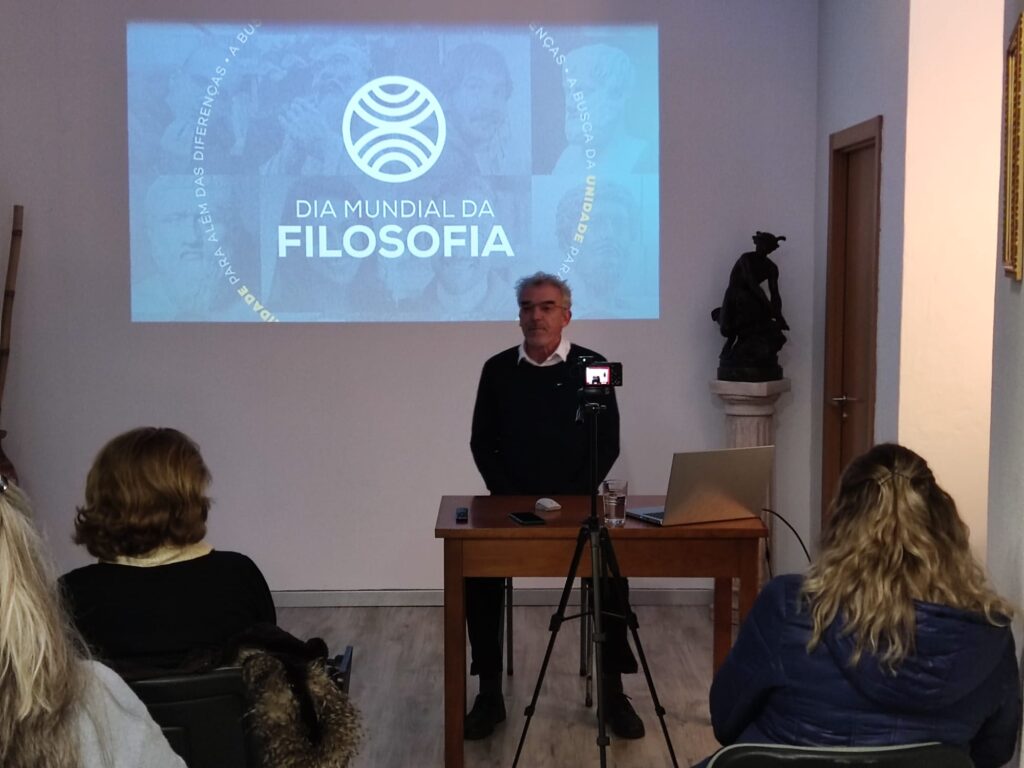
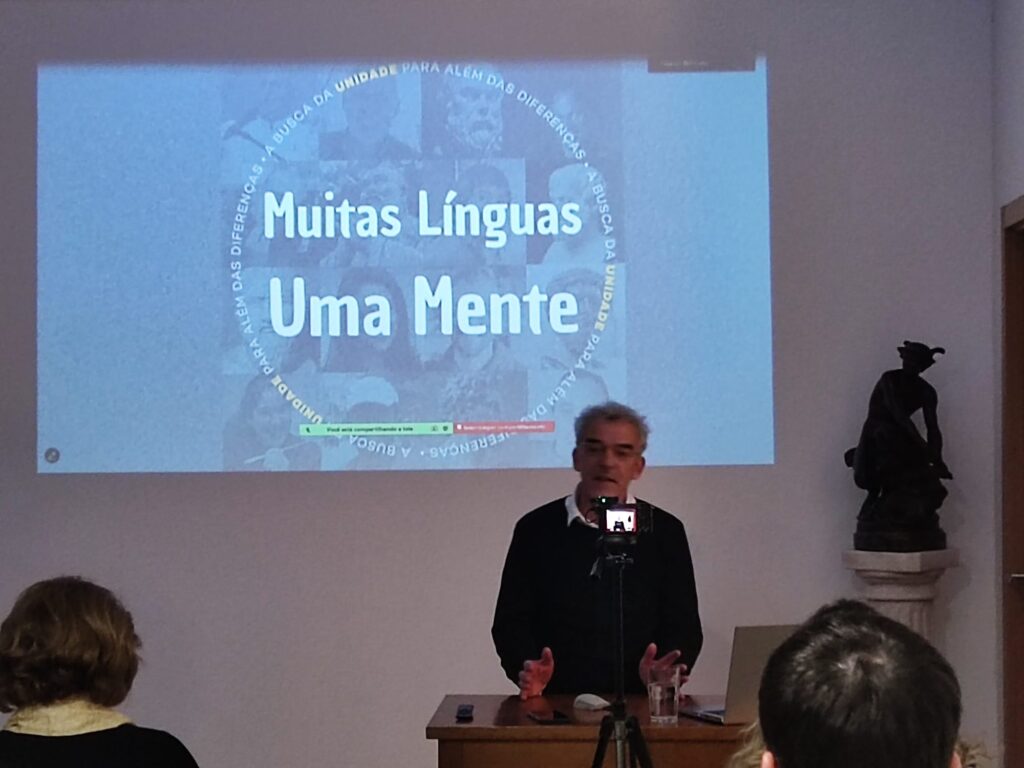
The university celebrated this day with a lecture by its director, Professor José Antunes, entitled “Many Languages, One Mind.”
The talk addressed the fascinating topic of language and its relationship to thought: with such a diversity of languages throughout history and in the most diverse regions of the planet, there must be something that unifies them and constitutes their essential characteristic, just as with human beings: we are all different, but we share a common essence.
Nova Acrópole Setúbal:
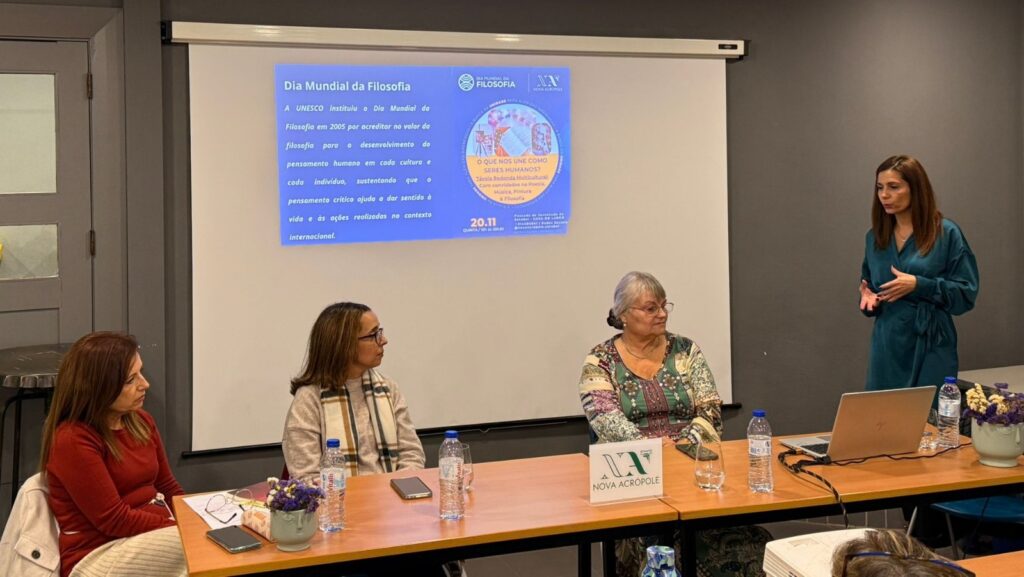
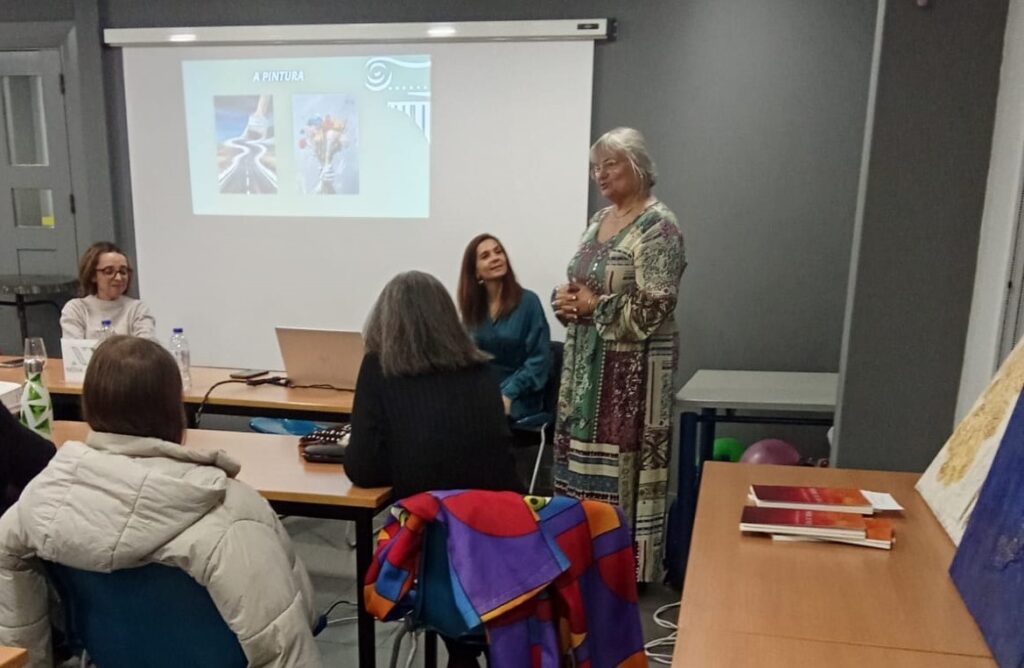
A colloquium was held at the Pousada da Juventude in Setúbal, entitled: “What unites us as human beings?”, led by Silvia Pereira, a trainer with Nova Acrópole Setúbal.
Based on the ideal of King Arthur, the Round Table symbolized equality and the exchange of wisdom, bringing together guests from the fields of philosophy, painting, poetry, and music: diverse voices gathered to explore the unity within diversity.
Through art, words, and thought, the colloquium sought the invisible thread that connects all human beings: the pursuit of knowledge, beauty, and goodness.
Nova Acropole Vila Nova de Poiares (National Center of Nova Acropole Portugal).
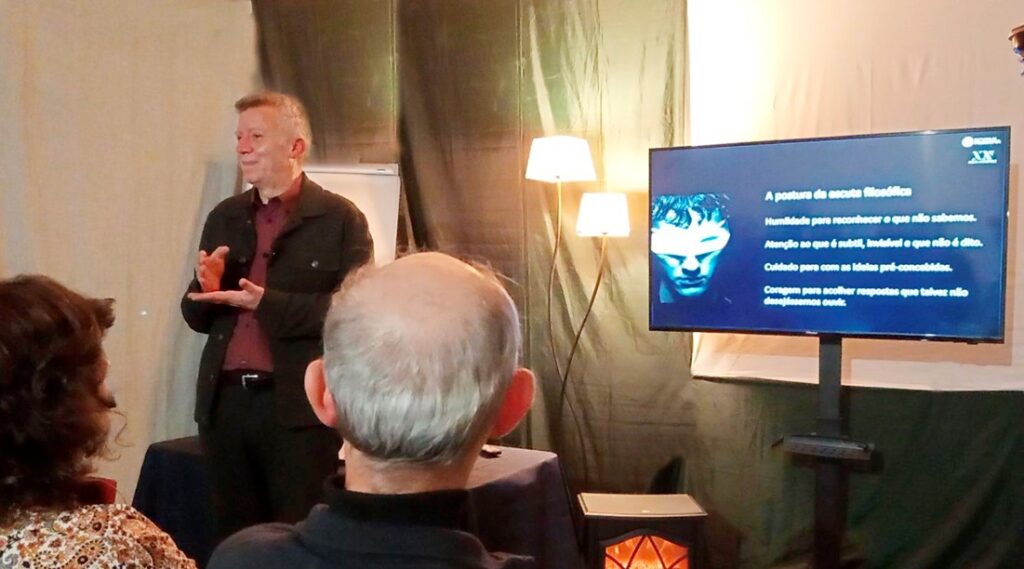
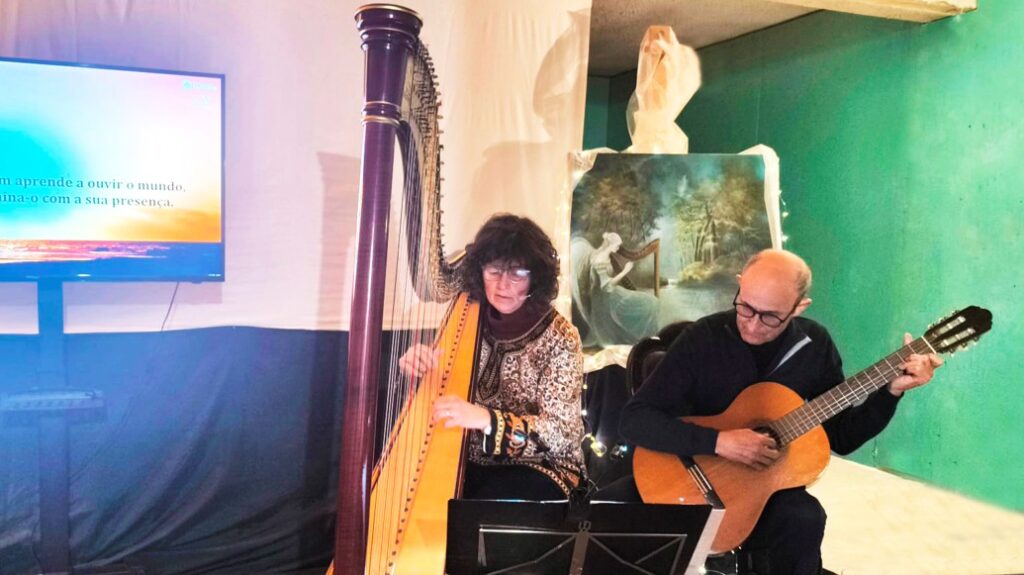
Conference: “Philosophy is Listening to the World’s Responses.” By José Ramos, coordinator of the National Center of Nova Acropole in Vila Nova de Poiares.
The conference explored the theme “The Search for Unity Beyond Differences,” inviting participants to consider diversity as a source of harmony and wisdom.
The event featured a musical introduction by harpist Ana María Pas, creating an atmosphere of inspiration and serenity for this moment of exchange and reflection.
Nova Acrópole Viseu
A colloquium entitled “Language as an Expression of Unity in Diversity” was held at the D. Miguel da Silva Municipal Library, divided into two parts.
The first part was titled “Language as a Bridge between the Visible and the Invisible,” presented by Ricardo Martins, director of Nova Acrópole Viseu.
The second part was titled “The Secret Language of Nature,” presented by Carlos Neves, a trainer at Nova Acrópole Viseu.
Throughout these sessions, different dimensions of language (human, natural, and symbolic) were explored as instruments of understanding, unity, and inner transformation.
The afternoon concluded with a short poetry recital, evoking the work and legacy of Cândido de Figueiredo, and the presentation of the commemorative book for the centenary of his death, a tribute to the great lexicographer and defender of the Portuguese language.